

Understanding Insubordination in the Workplace
Every workplace runs on a basic social contract employees follow reasonable directions, managers lead with clarity, and work gets done. But sometimes that contract breaks down. When an employee deliberately refuses to follow a lawful order from a supervisor, it crosses into insubordination in the workplace and if it’s not handled correctly, it can disrupt entire teams and expose businesses to serious legal risk.
Understanding what insubordination actually means is the first step toward managing it well. This guide breaks down everything you need to know from how to identify it and uncover its root causes, to the legal implications, prevention strategies, and the exact steps to take when an incident occurs.
Defining Insubordination
Every workplace has rules, expectations, and a clear chain of command. When an employee deliberately steps outside those boundaries, it can cause disruption that goes far beyond one incident. That’s where the concept of insubordination in the workplace comes in and why understanding it matters for managers and HR professionals alike.
At its simplest, insubordination means an employee refuses to carry out a legitimate order from someone in authority. But it’s more nuanced than that. Not every disagreement or pushback qualifies, and misidentifying it can lead to wrongful discipline and legal trouble. Knowing exactly what it is and what it isn’t is the foundation of handling it well.
What “Insubordination” Means
Insubordination occurs when three specific elements are present. First, a manager or authorized person gives the employee a legal and reasonable order. Second, the employee acknowledges the order either verbally or nonverbally. Third, the employee intentionally refuses to carry it out. All three elements must exist for an act to qualify as insubordination.
The order doesn’t have to be spoken aloud. It can be written, or it can even be part of the employee’s job description. Likewise, the employee’s refusal can be quiet and deliberate they don’t have to shout or create a scene. A calm but purposeful refusal is still insubordination if the other two elements are present.
Clarifying the Concept of Insubordination
Some managers use the term loosely, and that’s a problem. Insubordination in the workplace specifically involves intentional defiance of a lawful directive. It doesn’t include accidental non-compliance, misunderstandings, or situations where the employee simply didn’t have the capacity or resources to complete the task.
It’s also important to note who qualifies as an ’employer’ in this context. It’s anyone with the authority to give the order typically a direct supervisor, manager, or business owner. An order issued by a peer with no supervisory authority doesn’t create grounds for an insubordination claim.
Legal and Ethical Considerations
Handling insubordination isn’t just about enforcing rules. There are legal implications that employers must take seriously before taking any disciplinary action. Getting it wrong even with good intentions can expose a company to costly lawsuits and damaged workplace morale.
Beyond the legal side, ethics matter too. How you treat an employee during a misconduct investigation says a lot about your company culture. Fairness, transparency, and consistency aren’t just nice-to-haves they’re essential to maintaining trust across the organization.
Legal Implications of Insubordination
If you discipline or terminate an employee for insubordination and it turns out the order was illegal or the refusal was protected activity, you’re looking at a potential wrongful termination claim. This is why it’s critical to consult your legal team before taking action. Company policies on insubordination must align with applicable labor laws.
One important piece of legislation to know is Section 7 of the National Labor Relations Act (NLRA). It gives employees the right to engage in ‘concerted activities’ like discussing wages or organizing to improve their working conditions. Employers cannot discipline employees for exercising these rights, even if their behavior during that process seems defiant. Legal counsel can help you navigate these gray areas carefully.
Ethical Considerations in Managing Insubordination
Even when an employee’s behavior clearly crosses a line, the way you respond still matters. Ethical management means treating the situation with fairness and not letting personal biases influence your judgment. Every employee deserves a chance to explain their behavior before a decision is made.
Ask yourself: Is the employee acting out of genuine defiance, or are they raising a legitimate concern? Sometimes what looks like workplace misconduct is actually a signal that something else is broken a toxic team dynamic, an unreasonable workload, or a policy that isn’t being applied fairly. Approaching the situation with an open mind leads to better outcomes for everyone.
Balancing Authority and Employee Rights
Managers have the right to direct their teams. But employees also have rights and those rights don’t disappear the moment they walk through the door. Striking the right balance between asserting managerial authority and respecting employee rights is one of the most important skills a manager can develop.
Clear communication is the key. When employees understand the reasoning behind directives and feel their concerns are heard, they’re far less likely to push back. Employee rights vs employer authority doesn’t have to be an adversarial equation with mutual respect and open dialogue, it rarely becomes one.
Identifying the Root Causes
Before you jump to disciplinary action, it’s worth taking a step back. Insubordination doesn’t usually come out of nowhere. In most cases, something triggered it and understanding that trigger is key to resolving it effectively and preventing it from happening again.
Root causes can vary widely. Sometimes it’s personal. Sometimes it’s systemic. Often, it’s a mix of both. The good news is that when you identify what’s really going on, you can address the actual problem instead of just reacting to the symptom.
Uncovering the Underlying Issues
Common underlying causes include unclear expectations, perceived unfair treatment, poor communication from management, and inadequate training. An employee who doesn’t understand what’s expected of them can’t consistently meet those expectations. And an employee who feels they’re being treated differently from their peers may resist authority as a form of protest.
Disengagement is another major factor. Employees who feel disconnected from their work or who don’t see the value in what they’re doing are far more likely to challenge supervisor directives. Re-engagement strategies, regular feedback, and genuine recognition can do a lot to turn this around before it escalates into a formal insubordination issue.
Examining Company Culture and Workplace Factors
Sometimes the problem isn’t the employee it’s the environment. A culture where managers behave inconsistently, where rules are applied differently to different people, or where employees feel their voices don’t matter is a breeding ground for workplace disruption. Examine your company culture honestly before placing all the blame on individual behavior.
Look at the language used in your workplace, the quality of interactions between managers and their teams, and whether employees feel psychologically safe. These aren’t soft concerns they directly impact staff compliance, performance management outcomes, and ultimately, your bottom line. Creating a respectful work environment isn’t just good ethics. It’s good business.
Examples and Distinctions
Understanding what insubordination looks like in practice helps you identify it accurately. It also helps you avoid mislabeling behavior that doesn’t actually meet the threshold which is just as important.
Not all difficult employee behavior is insubordination. The line can be subtle, so having clear examples and distinctions in mind helps you respond appropriately and fairly in the moment.
Examples of Insubordination
Here are some common signs of insubordinate behavior in the workplace:
• Refusing to complete an assigned task after being given a clear and reasonable directive
• Leaving work early repeatedly without authorization, despite being told not to
• Ignoring scheduled deadlines after acknowledging the assignment
• Refusing to clock in or out as required by company policy
• Sabotaging team efforts or deliberately undermining business activities
• Refusing to adhere to company dress code or safety regulations after warnings
• Repeatedly taking unauthorized breaks despite formal reminders
Note that these examples of insubordination all involve intentional, deliberate behavior. Forgetfulness or misunderstanding isn’t enough. The refusal has to be willful.
What Is Not Insubordination
It’s equally important to know what doesn’t qualify. An employee who refuses to follow an order because it’s illegal or unethical isn’t being insubordinate they’re exercising a protected right. The same applies if the order falls outside their job scope or was issued by someone without the authority to give it.
Also, if an employee genuinely misunderstood the instructions and therefore didn’t carry them out, that’s a communication issue not insubordination. Before accusing someone of employee defiance, make sure you’ve ruled out these possibilities. When in doubt, consult HR or your legal team.
Insubordination vs. Insolence
These two terms often get mixed up but they’re different. Insubordination is about refusing to follow orders. Insolence is about disrespectful, rude, or abusive language and behavior toward a manager, colleague, or anyone in the workplace. An employee can be insolent without being insubordinate, and vice versa.
However, they can absolutely overlap. An employee who hurls insults at their manager while refusing to complete a task is both insolent and insubordinate at the same time. Your company policies should address both behaviors separately so that disciplinary responses are clear and appropriate for each scenario.
Strategies for Prevention
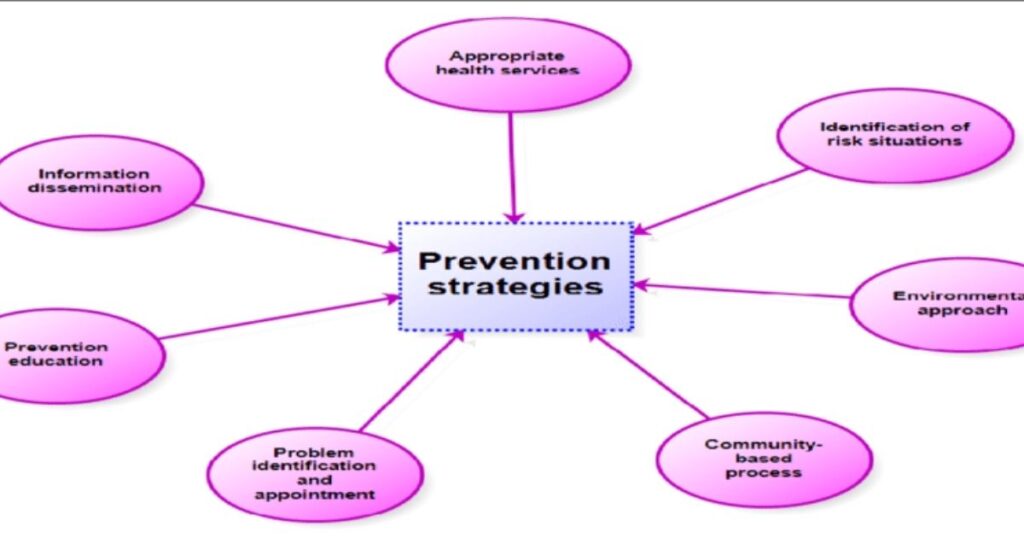
Prevention is always better than discipline. The best way to handle insubordination in the workplace is to reduce the likelihood of it happening in the first place. That starts with strong, proactive management practices and a workplace culture built on clarity and mutual respect.
These strategies don’t require a massive overhaul. Often, small changes in how you communicate, document, and train can make a significant difference in how employees respond to authority and direction.
Proactive Measures to Prevent Unwanted Behavior
Start by setting crystal-clear expectations. Employees who know exactly what’s expected of them and understand the consequences of not meeting those expectations are far less likely to cross the line. Regular check-ins, performance conversations, and open-door policies all contribute to a healthier dynamic between managers and their teams.
Monitoring workplace dynamics proactively is another smart move. Watch for early signs of tension, disengagement, or resentment before they escalate. Addressing small issues early prevents them from growing into formal insubordination cases that require disciplinary procedures and legal involvement.
Developing Written Policies
Every organization needs clear, written insubordination policy guidelines. These policies should define what constitutes insubordinate behavior, what the consequences are, and how the disciplinary process will unfold. Vague policies create gray areas that employees and their lawyers can exploit.
Your policies should also address insolence and workplace violence separately. Make sure they’re reviewed by your legal team to ensure compliance with applicable labor laws. A well-drafted policy isn’t just a safety net it’s a communication tool that sets the tone for professional conduct across the organization.
Incorporating Policies into the Employee Handbook
A policy is only useful if people know about it. Include your insubordination guidelines in the employee handbook and make sure every new hire receives a copy. Don’t just hand it over and hope for the best walk employees through the key points during onboarding.
It’s also a good idea to send periodic reminders through internal memos or team meetings, especially if there’s been a recent incident or a policy update. Documenting that employees have received and acknowledged the handbook protects the company if a dispute ever arises.
Providing Management Training
Managers are your first line of defense against workplace behavior problems. If they don’t know how to identify insubordination, how to document it properly, or how to respond to it without escalating the situation, problems will multiply quickly. Comprehensive management training is a non-negotiable investment.
Training should cover how to give clear directives, how to have difficult conversations, how to document incidents factually, and when to escalate to HR. Well-trained managers handle difficult employees with confidence and consistency which, in turn, reduces the frequency of insubordination incidents across the board.
Handling Insubordination Incidents
Even in well-managed workplaces, incidents happen. When they do, the way you respond matters enormously. A structured, fair, and well-documented approach protects both the employee and the organization and makes it far easier to take further action if the behavior continues.
Don’t react impulsively. Take a breath, gather the facts, and follow your established disciplinary procedures. Knee-jerk reactions often make things worse and can leave your company vulnerable to legal challenges.
Effective Steps for Managing Insubordination
Here’s a clear sequence to follow when an incident occurs: Document the behavior immediately and factually. Review your company policy on insubordination. Meet privately with the employee to discuss what happened. Issue a written warning if the behavior is confirmed. Develop an action plan with the employee. Escalate to further disciplinary action if the behavior continues.
Consistency is everything. Apply the same process regardless of who the employee is or what their role is. Employees are perceptive they notice when rules are enforced selectively. Inconsistent discipline is one of the fastest ways to erode trust and invite further insubordination.
Documenting Incidents Factually
Good documentation is your best protection in an insubordination case. Record the date, time, location, and a factual description of what happened. Note who was present, what was said or done, and what the employee’s response was. Avoid emotional language or personal interpretations stick to the observable facts.
Create a standardized internal form for managers to use when reporting incidents. All completed forms should go to HR for review and filing. This creates a consistent paper trail and ensures that every incident is handled through the same process regardless of who the manager is.
Understanding the Root Cause of Negative Behavior
Before issuing discipline, take time to understand why the employee behaved the way they did. Meet with them privately and listen without interrupting. Sometimes the root cause reveals a legitimate grievance a confusing directive, an unreasonable workload, or a workplace conflict that nobody addressed in time.
If the employee is simply being willfully defiant with no underlying justification, disciplinary action is appropriate. But if there’s a genuine issue driving the behavior, addressing it may be far more effective than punishment alone. The goal is resolution not just compliance.
Working with Legal and HR Teams
Never handle a serious insubordination case in isolation. Your HR and legal teams exist for exactly these situations. HR can help verify whether the behavior truly constitutes insubordination, advise on appropriate employee disciplinary action steps, and ensure the process is fair and consistent. Legal counsel can protect you from wrongful termination claims and help you navigate NLRA-protected activity.
In cases that could lead to summary dismissal, involving legal counsel early is essential. The cost of getting it wrong both financially and reputationally far outweighs the cost of an early consultation. Work closely with both teams and document every step of the process.
The Role of HR in Fostering a Positive Work Environment
HR plays a central role in shaping the workplace culture that either reduces or enables insubordination. Beyond handling individual incidents, HR professionals are responsible for building the systems, policies, and communication structures that make insubordination less likely to occur in the first place.
A proactive HR team doesn’t just react to problems it anticipates them. By staying attuned to employee relations issues, monitoring engagement, and ensuring managers are equipped with the right tools, HR can head off potential conflicts before they become formal disciplinary matters.
HR’s Influence on a Positive Work Culture
Culture starts at the top but is reinforced through HR. When HR consistently models fairness, transparency, and respect and holds managers and employees alike to the same standards it sets a powerful tone for the entire organization. Employees are more likely to comply with workplace authority when they trust that the system is fair.
HR strategies for misconduct should be proactive rather than reactive. This means conducting regular culture audits, tracking trends in employee grievances, and flagging patterns that might indicate a systemic issue rather than an isolated incident.
Implementing Effective Communication Channels
One of the most powerful things HR can do is create safe, accessible channels for employees to raise concerns before they escalate. Anonymous feedback systems, open-door policies, and regular employee surveys all give people a constructive outlet reducing the likelihood that frustration turns into open defiance.
Clear, two-way communication also reduces misunderstandings that can lead to accidental non-compliance. When employees feel heard and informed, they’re far more engaged and cooperative. Resolving supervisor-employee conflicts early, through structured dialogue, prevents them from hardening into long-term insubordination patterns.
Developing Comprehensive Disciplinary Procedures
HR should own the development and maintenance of disciplinary procedures. These should be detailed enough to guide managers through every step from the initial written warning process through to summary dismissal in cases of gross misconduct but flexible enough to account for context and individual circumstances.
Make sure procedures are communicated clearly to all managers and that training is provided on how to apply them. Procedures that exist only on paper don’t protect anyone. Regular reviews ensure they stay current with changes in labor law and best practices in workplace behavior management.
Fostering a Supportive Team Environment
HR can also play a direct role in team health. Team-building initiatives, conflict resolution resources, and structured feedback programs all contribute to a workplace where people feel valued and respected. When employees have a sense of belonging and purpose, they’re far less likely to engage in insubordinate behavior.
It’s also worth investing in manager-employee relationship building. A manager who knows their team well who understands individual motivations, pressures, and communication styles is much better positioned to prevent and resolve conflicts before they spiral. HR can facilitate this through coaching programs and regular one-on-one check-in structures.
Employee Retention and Workplace Harmony
There’s a direct connection between workplace harmony and employee retention. When employees feel respected, fairly treated, and supported in their roles, they stay. When they don’t, they either leave or disengage and disengagement, as we’ve seen, is a major driver of insubordinate behavior.
Prioritizing retention isn’t just about perks and pay. It’s about building an environment where employees feel like they matter. That investment pays dividends not just in lower turnover but in higher engagement, stronger team performance, and fewer disciplinary incidents overall.
Top Tips for Employee Retention
Here are some practical steps you can take to improve retention and reduce workplace disruption:
• Recognize and reward employees consistently and fairly not just top performers
• Offer clear pathways for growth and development within the organization
• Make sure workloads are reasonable and expectations are communicated clearly
• Create a culture where feedback flows in both directions
• Address grievances promptly and transparently don’t let them fester
• Invest in manager training so employees are led well, not just managed
Employees who feel valued rarely become insubordinate. The ones who do are often sending a signal that something in the environment isn’t working. Retention strategies and insubordination prevention are, in many ways, two sides of the same coin.
Respecting Employee Rights and Relevant Labor Laws
Respecting employee rights isn’t just a legal obligation it’s a cornerstone of a healthy workplace. Employees have the right to fair treatment, safe working conditions, and protection from retaliation when raising legitimate concerns. Employers who respect these rights foster loyalty and trust. Those who don’t create fertile ground for workplace conflict and legal exposure.
Stay current on relevant labor laws, including NLRA protections and any jurisdiction-specific employment statutes. Regularly review your policies with legal counsel to ensure they’re compliant and up to date. An organization that operates with integrity one that holds itself to the same standards it expects of its employees is one where insubordination in the workplace rarely takes root.
Conclusion
Insubordination in the workplace is one of those management challenges that never fully disappears but it can absolutely be managed well. The key is understanding what it actually means, distinguishing it from protected behavior and simple misunderstandings, and responding to it with fairness, consistency, and proper documentation.
Prevention is always the better path. Building a culture of clear communication, mutual respect, and strong leadership reduces the likelihood of defiance in the first place. And when incidents do occur, having the right policies, trained managers, and engaged HR and legal teams in place ensures that you handle them in a way that protects both your people and your organization. Insubordination doesn’t have to derail your workplace with the right approach, it’s a challenge you can meet head-on.
FAQ’s
What is the difference between insubordination and insolence?
Insubordination is the deliberate refusal to follow a lawful order from a supervisor. Insolence refers to rude, disrespectful, or abusive behavior or language. They’re different though an employee can be guilty of both at the same time.
Can an employee be fired for a single act of insubordination?
Yes, in some cases. A single incident can warrant termination if it’s serious enough for example, if it involves gross misconduct, threatens workplace safety, or causes significant harm to the business. However, less severe cases typically follow a progressive discipline process first.
What should a manager do immediately after an insubordination incident?
Document what happened as quickly and factually as possible. Note the date, time, location, what was said or done, and who witnessed it. Then consult HR before taking any further action to ensure you follow the correct disciplinary procedure.
Is it insubordination if an employee refuses an unsafe task?
No. Refusing to follow an order that is illegal, unsafe, or unethical is not insubordination. Employees have the right and in many cases the legal obligation to refuse tasks that put them or others at risk. Employers cannot discipline employees for exercising this right.
How can HR help prevent insubordination in the workplace?
HR can prevent insubordination by developing clear written policies, training managers on how to lead effectively, creating safe communication channels for employee concerns, monitoring workplace culture, and ensuring that disciplinary procedures are applied consistently and fairly across the organization.

Riley Vaughn is a tech innovation architect with 12+ years in AI systems, cybersecurity, and SaaS product development. Having led projects for Fortune 500 firms and emerging startups, Riley writes with real-world precision bridging deep technical insight and strategic vision to help readers navigate the evolving landscape of modern technology.


