

What does chro stand for: understanding the role of chief human resources officer
If you’ve ever wondered what does chro stand for: understanding the role of chief human resources officer, you’re not alone. The title sounds formal, even a bit corporate. But behind it sits one of the most influential roles in modern business.
Today’s Chief Human Resources Officer isn’t just managing payroll or approving leave. They shape culture, guide leadership, and align people strategy with company growth. In many organizations, the CHRO stands shoulder to shoulder with the CEO and CFO, helping steer the ship.
Related Post: The Role of CHRO in Shaping Company Culture
The strategic chro
The strategic chro plays far beyond traditional HR boundaries. They operate as a C-suite HR executive who influences executive HR decision-making at the highest level. In fact, many companies now view HR executive leadership as central to long-term performance.
You can think of the CHRO as the architect of human capital management. While other executives focus on revenue or operations, this leader ensures the company has the right people, skills, and culture to execute its strategy. Without strategic CHRO leadership, even the best business plan can fall flat.
The meaning of CHRO: what does chro stand for?
When people ask, “What does CHRO stand for?” the answer is simple: Chief Human Resources Officer. But the CHRO meaning goes far deeper than a title on a business card.
The role of Chief Human Resources Officer centers on aligning human resources strategy with business objectives. It combines workforce planning, corporate culture strategy, and leadership development into one unified vision. Let’s break that down further.
The definition and significance of a CHRO
At its core, a Chief Human Resources Officer leads all aspects of human capital management. This includes talent acquisition strategy, performance management systems, compensation and benefits strategy, and employee retention strategies.
However, the real significance lies in influence. A strong CHRO shapes how people experience work. They define policies, set expectations, and create systems that impact every employee. That’s not administrative work. That’s strategic power.
An evolving position over the years
Years ago, HR leaders mostly handled hiring paperwork and compliance. Today, the executive board HR role carries strategic weight. Many CHROs now sit on executive boards and contribute directly to global human capital strategy.
The shift didn’t happen overnight. As organizations faced rapid change, leaders realized that business success depends on people strategy. That evolution turned HR from a support function into a strategic partner.
Why the CHRO role is becoming indispensable
Why has this role become essential? Because companies now compete on talent, innovation, and culture. A CHRO ensures strategic workforce alignment so that skills match business direction.
In the age of HR digital transformation and AI tools for HR leaders, companies need someone who understands both technology and people. That’s where the CHRO steps in. They connect data, culture, and strategy into one clear path forward.
Key responsibilities of a CHRO
The list of CHRO responsibilities is long, but it always ties back to one goal: aligning people with performance. They oversee workforce analytics, succession planning, and learning and development programs.
They also guide organizational development and shape policies that influence company-wide behavior. Let’s explore these responsibilities more closely.
Responsibilities that define the CHRO role
The what does chro stand for: understanding the role of chief human resources officer question becomes clearer when you look at daily responsibilities. These often include:
- Designing talent management framework systems
- Leading workforce planning initiatives
- Overseeing performance management systems
- Managing HR analytics and reporting
- Building compensation and benefits strategy
Each responsibility directly impacts how employees perform and grow.
Fostering a culture of diversity, equity, and inclusion (DEI)
Diversity equity and inclusion initiatives are no longer optional. A modern CHRO leads the DEI leadership strategy and ensures fairness in hiring, promotion, and development.
This isn’t about checking boxes. It’s about strengthening organizational culture management. Diverse teams innovate faster and make better decisions. The CHRO creates systems that support inclusion at every level.
Enhancing the employee experience
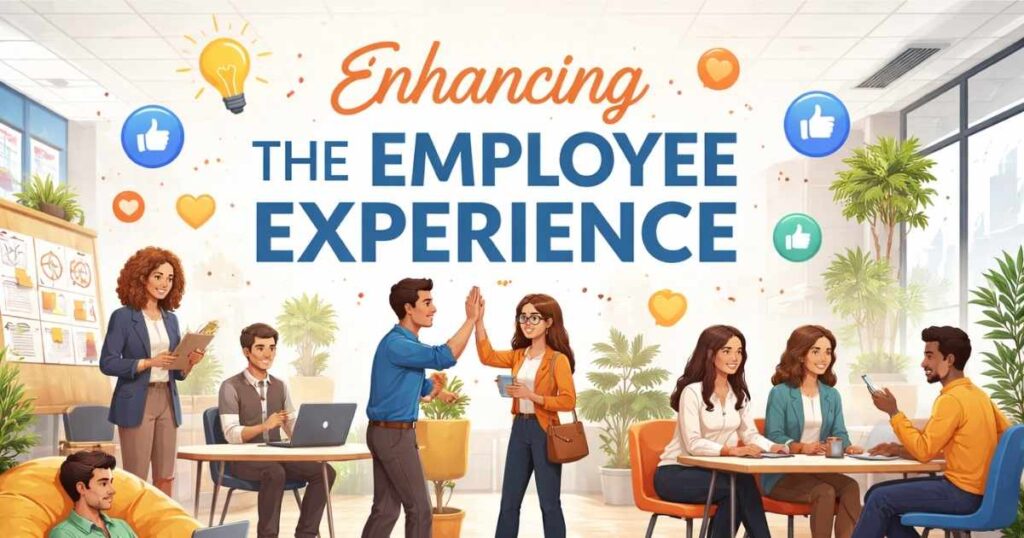
Employee engagement programs and employee experience strategy fall squarely under the CHRO’s leadership. From onboarding to career growth, they design experiences that keep people motivated.
If employees feel valued, they stay. If they grow, the company grows. It’s that simple. That’s why employee retention strategies are deeply connected to this role.
Adapting to future trends
The future of HR leadership demands agility. HR innovation trends, automation, and workforce analytics are reshaping how organizations operate.
A forward-thinking CHRO doesn’t resist change. Instead, they lead change management leadership efforts and ensure the HR business partner model evolves alongside business needs.
The strategic role of the CHRO in business
The strategic role of the CHRO in business centers on integration. They don’t operate in isolation. They connect finance, operations, and technology with people strategy.
In many companies, the CHRO acts as a bridge between the executive team and employees. That bridge keeps communication strong and culture aligned with goals.
Shaping the company’s human capital strategy
A company’s global human capital strategy determines how it attracts, develops, and retains talent. The CHRO leads this blueprint.
Through strategic workforce alignment, they ensure the company invests in the right skills at the right time. It’s like planting seeds before the season changes. Preparation matters.
Bridging talent and business strategy
Businesses often struggle when strategy and talent move in different directions. The CHRO prevents that disconnect.
By aligning talent acquisition strategy with business expansion plans, they ensure growth doesn’t outpace capability. Workforce planning becomes proactive rather than reactive.
Driving business transformation through human resources
Transformation isn’t just about new software or restructuring. It’s about people adapting to change. That’s where change management leadership plays a critical role.
The CHRO guides teams through uncertainty. They provide clarity, training, and communication so employees feel confident rather than confused.
Talent management and development
Talent management and development sit at the heart of what does chro stand for: understanding the role of chief human resources officer. Without structured growth systems, companies stagnate.
Strong learning and development programs create upward mobility and fuel innovation. Let’s break this down.
Grooming potential and retaining top talent
A smart CHRO builds leadership development pipelines early. They don’t wait until a senior executive retires to think about succession planning.
Employee retention strategies often start with growth opportunities. When people see a future, they stay.
Best practices in development
Best practices include mentoring programs, clear performance metrics, and continuous feedback. Performance management systems should guide development not punish mistakes.
Organizations that invest in development usually outperform competitors. It’s not magic. It’s strategy.
Building a rich pipeline
Succession planning ensures business continuity. A CHRO uses workforce analytics to identify skill gaps and future leaders.
Think of it like building a bench in sports. You don’t win championships without depth.
Real-world success stories
Many global companies have transformed through strong HR executive leadership. Organizations that embraced HR transformation often saw improvements in engagement and productivity.
When the CHRO aligns culture, training, and strategy, measurable results follow.
Diversity, equity, and inclusion (DEI) initiatives
DEI initiatives extend beyond hiring diverse candidates. They require structural support and accountability.
An effective DEI leadership strategy integrates inclusion into performance metrics, leadership expectations, and everyday decision-making.
Dei and employee relations
Healthy employee relations depend on fairness and trust. The CHRO ensures complaints are handled professionally and transparently.
By embedding diversity equity and inclusion initiatives into corporate culture strategy, organizations create workplaces where employees feel respected.
Employee experience and engagement
Employee experience and engagement directly influence performance. A disengaged workforce costs companies billions each year.
CHROs design employee engagement programs that improve morale and productivity. They measure sentiment, gather feedback, and act on insights.
Employee experience and engagement
A strong employee experience strategy considers flexibility, well-being, and career growth. It’s not just about perks. It’s about meaningful work.
When employees feel heard, they contribute more. That connection fuels business momentum.
Case studies: successful CHROs in action
Across industries, companies that invested in strategic CHRO leadership saw tangible results. Businesses that embraced HR digital transformation improved efficiency and decision-making.
In many cases, CHROs who focused on strategic workforce alignment helped companies scale smoothly during expansion. Their role proves that people strategy drives performance.
Conclusion
Understanding what does chro stand for: understanding the role of chief human resources officer reveals far more than a job title. It uncovers a strategic leadership role that shapes culture, performance, and long-term success.
As organizations navigate rapid change, the CHRO becomes even more critical. They connect human capital management with business growth. In today’s competitive landscape, that connection makes all the difference.

Riley Vaughn is a tech innovation architect with 12+ years in AI systems, cybersecurity, and SaaS product development. Having led projects for Fortune 500 firms and emerging startups, Riley writes with real-world precision bridging deep technical insight and strategic vision to help readers navigate the evolving landscape of modern technology.


